

el terrorismo genocida que viene ejerciendo el
Estado de Israel contra el Pueblo Palestino
El 28 de Junio se celebra el Día Internacional del Orgullo LGTBIQ+
Sugerencias de iniciación a la música clásica


El Día Internacional del Orgullo LGBTIQ+ y otras variantes es un día no oficial que se celebra mundialmente cada 28 de junio en conmemoración de los disturbios de Stonewall de 1969, para reafirmar el sentimiento de orgullo sobre las identidades y orientaciones sexuales y de género tradicionalmente marginadas y reprimidas como lesbianas, gays, bisexuales o transgéneros o aquellas que tienen dudas acerca su sexualidad y/o identidad de género. Desde un punto de vista lingüístico, el término «orgullo» designa “el amor propio o la estima que cada persona tiene de sí misma como merecedora de respeto o consideración”. Esta definición transmite la idea de una dignidad intrínseca que todo ser humano posee y que no debe verse afectada por su conducta o por su orientación sexual.
Identidad Queer es un término tomado del inglés que se define como «extraño» o «poco usual». El concepto Género Queer es un término general para las personas cuya identidad de género no está incluida o trasciende la dicotomía hombre/mujer. El término aún se considera ofensivo o despectivo en algunas comunidades más conservadoras; mientras que para otras, es un término que describe una orientación sexual, identidad de género o expresión de género que no se conforma con la sociedad. En este contexto, algunas personas que se identifican como Queer suelen situarse aparte del discurso y del estilo de vida que tipifican las corrientes en las comunidades LGBT.
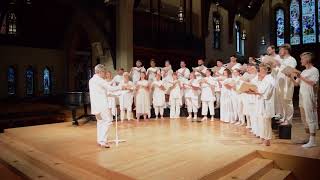
Love partakes of the soul itself (El amor participa del alma misma) Es una canción del compositor canadiense Shane Raman inspirada en un pasaje de la novela de Victor Hugo, Los Miserables, en el que describe el amor como incorruptible, indivisible, imperecedero, inmortal, infinito e ilimitado. El amor participa del alma misma; es de la misma naturaleza. Como ella, es una chispa divina, incorruptible, indivisible, imperecedera, es el punto de fuego que está dentro de nosotros, que es inmortal e infinito, que nada puede limitar y nada puede extinguir.
La interpretación de esta canción corre a cargo del coro canadiense Cor Flammae integrado por cantantes queer entre cuyos objetivos prioritarios está, precisamente, el de dar visibilidad a las Identidades Queer.
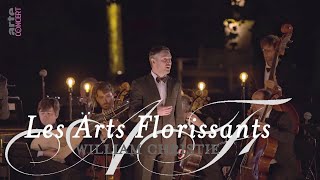
Jean-Baptiste Lully (1632-1687) fue un compositor francés de origen italiano (nació en Florencia) y naturalizado francés a los 21 años (su verdadero nombre era Giovanni Battista Lulli). Pronto destacó como violinista y bailarín y a los veinte años entró a formar parte del servicio de Luis XIV como director musical de la familia real; a partir de entonces, su importancia en el desarrollo del ballet clásico ha sido primordial. En 1672 consiguió el puesto de director de la Academie Royale de Musique renovando la esencia de la ópera con una mayor solemnidad en su puesta escénica, una decidida incidencia en la claridad del texto y una cuidada elaboración en los ballets y coros de la misma. En 1685 estalló un escándalo; se llegó a saber que Lully mantuvo una relación con un joven paje de la Capilla llamado Brunet; el compositor perdió entonces su crédito ante el rey. Su producción musical se basa fundamentalmente en tres pilares: la ópera, los ballets y la música religiosa.
Un pasacalle (passacaille en francés y pasacaglia, en italiano) es una forma musical que se originó en el Barroco, especialmente en los siglos XVII y XVIII. Se basa en un bajo ostinato: una frase corta que se repite continuamente en la voz grave, sobre la que se construyen variaciones melódicas, armónicas y rítmicas. Suele tener un tempo lento o moderado y un carácter solemne o expresivo, normalmente en compás ternario (como 3/4). Su origen proviene de una danza popular española e italiana y el nombre viene del español “pasar la calle”, porque originalmente se tocaba mientras se caminaba por las calles.
El pasacalle de Armide de Jean-Baptiste Lully es una de las páginas instrumentales más célebres del barroco francés y un excelente ejemplo del gusto cortesano de la época de Luis XIV. El pasacalle pertenece al acto V de la ópera Armide, ópera que se estrenó en Parìs en 1686., con libreto de Philippe Quinault. La ópera Armide es considerada la última gran ópera de Lully y una de las más refinadas de su colaboración con Quinault. En el Acto V, el pasacalle acompaña una escena de celebración y encantamiento en el jardín mágico de Armide. Su música crea un clima de belleza suspendida, casi irreal, que contrasta con el conflicto interno de Armide. No es música “de fondo”; es parte esencial del teatro musical, donde danza, música y drama se integran.
Piotr Ilich Chaikovsky (1840-1893) se graduó en el Conservatorio de San Petersburgo y escribió obras de distintos y variados géneros musicales, aunque donde su fama alcanzó los mayores éxitos fue con sus ballets. Su vida personal estuvo plagada de continuas crisis personales a partir de los 14 años, en que murió su madre, y a consecuencia, también, de una homosexualidad reprimida, que le forzó a contraer un matrimonio que sólo duró unos pocos meses. A pesar de las claras manifestaciones de su facilidad para la música, su educación estuvo encaminada a lograr obtener algún puesto de funcionario en el Ministerio de Justicia, cosa que logró en 1859. Sin dejar su trabajo, se matriculó en composición; a los tres años, sin embargo, abandonó su trabajo para dedicarse exclusivamente al estudio musical. Escribió más de 150 composiciones, entre obras para piano, cuartetos, suites, sinfonías, conciertos, corales, cantatas, óperas y ballets. Murió a los 53 años y actualmente está considerado como uno de los más grandes compositores de la historia.
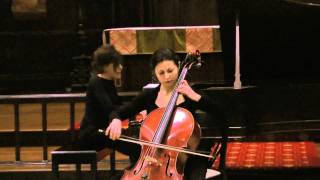
Nocturno Op. 19 n.º 4. Sigue la tradición romántica heredada de Chopin: una pieza de carácter íntimo, cantábile y expresivo, donde la melodía tiene un papel predominante, presentada de forma ternaria simple (A–B–A'), muy común en los nocturnos románticos. Se trata de una obra de estructura clara y forma sencilla, pero de gran profundidad expresiva. La forma ternaria permite a Chaikovski explorar un único estado emocional desde distintos matices, destacando la expresividad melódica del violonchelo, el uso refinado de la armonía romántica, un carácter íntimo y contemplativo típico del género nocturno; de modo que resulta una pieza ideal para el estudio del lirismo romántico, la respiración musical y la interacción expresiva entre solista y acompañante.
Estructura: SECCIÓN A: EXPOSICIÓN (0`00``). El violonchelo presenta una melodía amplia, muy vocal, con frases largas y expresivas, mientras el piano acompaña con acordes arpegiados suaves, creando una base armónica estable. Formalmente, esta sección establece el tema principal, con frases simétricas y respiraciones claras, cercanas a una escritura casi “aria” .-. SECCIÓN B: PARTE CONTRASTANTE (1`09``). Modulación a tonalidades cercanas con un carácter más luminoso y esperanzador, aunque sin perder la intimidad. El chelo mantiene el protagonismo melódico, pero con un discurso más fluido, a la vez que el piano adquiere mayor movilidad armónica. Aquí Chaikovski introduce un contraste emocional: el discurso se vuelve más cálido y menos sombrío, aunque siempre contenido .-. SECCIÓN A': REEXPOSICIÓN VARIADA (2`25``). Retorno del tema inicial, pero con ligeras variaciones en dinámica, articulación y acompañamiento, dirigiéndose al final, que tiende a la calma y a la disolución expresiva.
Las solistas de hoy: Daria Janssen (Titova) es una activa violonchelista solista, de música de cámara y una dedicada profesora. Ganadora de concursos internacionales de música, es licenciada por la Longy School of Music, el Emerson College y la Universidad de Boston. Daria vive en Boston con su familia y disfruta viajando y explorando la naturaleza. La pianista Raquel Gorgojo es española. Tras graduarse con honores en el Conservatorio de Madrid, cursó una maestría y un diploma de intérprete en la Jacobs School of Music (Universidad de Indiana) con el reconocido profesor M. Pressler. Ha sido artista residente en el Banff Centre for the Arts (Canadá) y actualmente cursa su maestría en interpretación pianística en la Universidad de Boston. Raquel ha dado conciertos en Europa, Estados Unidos y Canadá. Ha recibido una beca Fulbright y varios premios del Ministerio de Cultura español y de la Fundación Caja Madrid. Es una música de cámara muy solicitada y apasionada y actúa tanto con instrumentistas como con cantantes.
(Extractado del pie del vídeo)
Mary D. Watkins es una compositora, pianista y arreglista estadounidense nacida en 1944 en Filadelfia. Es conocida por su trabajo en una amplia gama de géneros musicales, desde la música clásica hasta el jazz y la música experimental. A lo largo de su carrera, ha creado composiciones para orquesta, grupos de cámara y coro, y también ha compuesto música para el cine y la televisión. Es particularmente famosa por su habilidad para fusionar diferentes estilos musicales, y por su enfoque innovador hacia la composición. Su obra refleja su interés por la música de diferentes culturas, así como por las técnicas de composición modernas y tradicionales. En su carrera, ha utilizado su plataforma como compositora para abordar temas de importancia política y social, incluidas las luchas de los derechos civiles y las experiencias de la comunidad negra. A través de su música, ha desafiado las convenciones y abierto caminos para futuras generaciones de músic@s que desean explorar una variedad de estilos y tradiciones. Uno de sus logros más importantes es haber sido una de las pocas compositoras negras en un campo históricamente dominado por hombres blancos. Su obra y su implicación con espacios de women’s music y espacios comunitarios vinculados a la cultura feminista/lesbiana contribuyen a que algunos contextos la asocien con esos movimientos culturales; pero eso no constituye una prueba definitiva de su sexualidad personal.
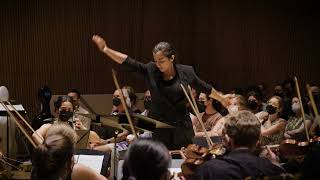
Soul of Remembrance (Alma del Recuerdo) es uno de los movimientos más representativos de la suite Five Movements in Color (Cinco movimientos en color) de la compositora Mary D. Watkins compuesta a principios de los años 90; se trata concretamente del segundo movimiento, que suele interpretarse también, como en el caso presente, como pieza independiente. Este movimiento tiene un carácter lentamente meditativo, con un comienzo lírico y contemplativo que sugiere, sin citar textualmente, melodías inspiradas por la tradición espiritual afroamericana; a lo largo de su desarrollo, hay una combinación de marcha, impulso rítmico y un lirismo profundo, creando un equilibrio entre sufrimiento, memoria y esperanza. La obra está profundamente inspirada en la experiencia afroamericana, en particular en el impacto histórico de l@s esclav@s y la larga lucha por ser reconocid@s como plenamente human@s. La propia Watkins describió Soul of Remembrance como una especie de “gemido colectivo” de dolor y anhelo de libertad sentido por l@s african@s recién llegad@s a Estados Unidos y por sus descendientes, así como un tributo a l@s mism@s.
Sugerencias de música clásica
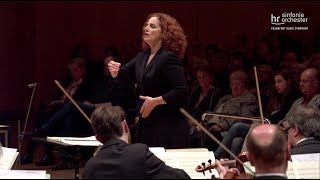
Georg Friedrich Händel (1685-1759) nace en Halle, Alemania; nacionalizado inglés, es una de las figuras cumbres de la Historia de la Música y, desde luego, del barroco. De niño comienza a recibir clases de armonía y contrapunto de Friedrich Zachow, organista de Halle, con quien también aprendió a tocar el oboe, violín y órgano. A la edad de 18 años se traslada a Hamburgo donde escribió sus dos primeras óperas. Al cabo de tres años viajó a Florencia y luego a Roma. En 1710 vuelve a Alemania y de allí a Londres donde se instala de por vida; de su abundante producción musical, hemos de destacar el Oratorio El Mesías, una de las obras maestras de la Historia. En lo referente a su vida intima, lo que hemos de explicitar es que a pesar del silencio total con el que protegió su privacidad, para muchos autores parece clara su homosexualidad, debido a que durante años vivió con amigos o colaboradores masculinos; lo cual tampoco es una prueba irrefutable de su orientación sexual. Fallece a los 74 años en su casa.
El catálogo de las obras de Georg Friedrich Händel se conoce con las siglas HWV y significan Handel Werke Verzeichnis (en alemán, Catálogo de obras de Händel) no está ordenado cronológicamente sino temáticamente, por tipo de obra de géneros y según su naturaleza vocal o instrumental. Abarca 612 obras más 25 suplementos y obras dudosas y perdidas, siendo elaborado entre 1978 y 1986 en tres volúmenes. El número exacto de composiciones es por tanto difícil de precisar; su autor es el musicólogo Bernd Baselt y estas obras también suelen ser indicadas con el nº de opus.
Dixit Dominus es un salmo musicalizado por George Frideric Haendel que utiliza el texto latino del Salmo 110 que comienza con las palabras Dixit Dominus ("El Señor dijo"). El trabajo lo completó en abril de 1707 mientras vivía en Italia. La obra fue escrita en estilo barroco y está compuesta por cinco solistas vocales (SSATB), coro de cinco partes, cuerdas y continuo. Lo más probable es que la obra se realizara por primera vez el 16 de julio de 1707 en la Iglesia de Santa María de Montesanto, bajo el patrocinio de la familia Colonna. Es un ejemplo muy claro del estilo barroco italiano temprano que Haendel asimiló durante su estancia en Italia y aunque es una obra sacra, su lenguaje es muy teatral y virtuoso, cercano a la ópera italiana.
Estructura. La obra está dividida en 9 movimientos, cada uno correspondiente a uno o varios versículos del salmo: I (00:06``) Dixit Dominus .-. II (05:51) Virgam virtutis tuae .-. III (08:42) Tecum principium .-. IV (11:47) Juravit Dominus .-. V (14:02) Tu es sacerdos in aeternum .-. VI (15:47) Dominus a dextris tuis .-. VII (18:50) Judicabit in nationibus .-. VIII (23:02) De torrente in via bibet .-. IX (26:48) Gloria Patri et Filio.
Hoy lo presentamos bajo la batuta de la maestra francesa Emmanuelle Haïm, (1962) clavecinista y directora especializada en música barroca que ha tenido actuaciones relevantes al frente de la Filarmónica de Berlín, de la Ópera de Chicago o de los Proms de la BBC, entre otras instituciones.
Augusta Holmès (1847-1903) fue una pianista y compositora francesa, que nació el 16 de diciembre de 1847 en París, siendo hija de padres irlandeses. Fue una niña prodigio del piano, pues a los cuatro años ofrecía conciertos públicos con elevada técnica, y sentimiento sonoro, y luego llegó a ser la alumna predilecta de los maestros Henri Lambert, Hyacinthe Klosé y César Franck. Desde entonces, escribió la letra y música de sus obras, usando el seudónimo de Hermann Zeuta. Entre sus obras se encuentran las óperas Hero y Leandro, Astarté, Lancelot del lago, La montaña negra, el salmo In exitu, las sinfonías Orlando furioso, Lutecia, y también Los argonautas; los poemas sinfónicos Irlanda, Palagne y Andrómeda; la suite sinfónica El país azul; obras corales y gran cantidad de piezas para orquesta y canciones artísticas. El 28 de junio de 1903, falleció en París.
Poema sinfónico es una obra orquestal de forma libre, generalmente basada en un texto literario, cuyo fin es crear sensaciones o sentimientos mediante el guión preestablecido. Generalmente consta de un único movimiento y está escrito para orquesta, aunque puede ser para piano o para pequeñas formaciones instrumentales. El padre del poema sinfónico fue Franz Liszt quien compuso hasta 13 obras de este género; género que rápidamente se generalizaría a partir del romanticismo.
Andromède de Augusta Holmès es un poema sinfónico inspirado en la mitología griega, en la que Andromeda era hija de los reyes míticos de Etiopía, Cefeo y Casiopea, además de ser la esposa de Perseo y madre de siete hijos. Holmès no solo compuso la música, sino que también creó un poema literario en francés, con 11 estrofas de cuatro versos, con rima ABBA en verso alejandrino.
Hoy asistimos a la presentación ofrecida por la Virago Symphonic Orchestra conducida por la maestra belga Pascale Van Os.
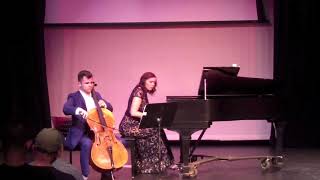
Ethel Smyth (1858 –1944) fue una compositora inglesa y una de las líderes del movimiento sufragista. Nació en Londres y estudió música en Leipzig con Heinrich von Herzogenberg. Sus trabajos incluían sinfonías, trabajos corales, música de sala y óperas. Cabe destacar sobre todo sus óperas, siendo la más famosa The Wreckers y la más original, Fête Galante. Ambas tuvieron mucho éxito. Sus composiciones fueron reconocidas por autores de la talla de Chaikovski, Brahms o Dvořák. En 1903 llegó a ser la primera mujer en conseguir la representación de una de sus obras en la Metropolitan Opera House de Nueva York.
En 1910, se unió a la Unión Social y Política de las Mujeres (Women's Social and Political Union, WSPU). Su The March of the Women (La marcha de las mujeres, 1911) se convirtió en el himno del movimiento sufragista, con letra de Cicely Hamilton. Tuvo varias relaciones con mujeres; escribió a Harry Brewster que era "más sencillo para mí amar mi propio sexo apasionadamente, que el tuyo". Muy comprometida con causas sociales, durante la Primera Guerra Mundial ejerció como asistente de radiología en el Hospital de Vichy. En 1922 fue condecorada por la Orden del Imperio Británico. Murió en Woking a los 86 años de edad y sus restos fueron incinerados. En 2020, setenta y seis años después de su fallecimiento, fue nominada a un premio Grammy por la sinfonía The Prison, grabada en 1930.
La Sonata para violonchelo y piano en La menor, op. 5, de Ethel Smyth es una de las obras tempranas más importantes de la compositora y una pieza muy valiosa dentro del repertorio camerístico de finales del siglo XIX. Fue compuesta en 1880, cuando Smyth tenía poco más de 20 años, durante su etapa de formación en Leipzig, donde estuvo en contacto con la tradición germánica; es una obra temprana, pero ya muestra una voz personal fuerte y una gran seguridad técnica. En esa época Smyth buscaba ser tomada en serio como compositora en un entorno dominado por hombres, lo que influyó en el carácter decidido de su música; la obra está claramente influida por el romanticismo alemán, especialmente por Brahms, Schumann y Mendelssohn; lo que se adivina en un lenguaje armónico rico, con uso expresivo del cromatismo y una escritura densa y apasionada, con un equilibrio muy trabajado entre el chelo y el piano; una obra en la que se percibe una combinación de dramatismo, lirismo intenso y momentos de gran energía rítmica. Hoy es considerada como una obra clave del repertorio romántico para chelo.
Estructura. La sonata sigue el modelo clásico-romántico de tres movimientos: I (0`14``) ALLEGRO MODERATO. Movimiento de gran fuerza dramática, que presenta temas amplios y contrastantes; lo cual exige mucha expresividad y control del fraseo, sobre todo en el chelo .-. II (7`47``) ADAGIO NON TROPPO. Movimiento lírico e introspectivo, en el que el chelo canta de forma muy vocal. Todo el movimiento destaca por su profundidad emocional y su atmósfera íntima .-. III (14`05``) ALLEGRO VIVACE. Movimiento enérgico y decidido, en el que se combina el impulso rítmico con episodios melódicos. Cierra la obra con carácter firme y afirmativo.
Hoy nos la ofrecen David Sands al cello con Madeline Slettedahl al piano
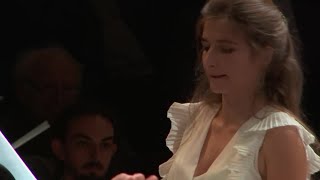
Francis Poulenc (1899 - 1963) fue un compositor francés miembro de Les Six, grupo compuesto por Milhaud, Auric, Durey, Honegger, Tailleferre (la única mujer del grupo) y el mismo Poulenc. Abrazó las técnicas del movimiento dadaísta (antiartístico, antiliterario y antipoético que cuestiona la existencia del arte, la literatura y la poesía). El crítico Claude Rostand describe a Poulenc como «mitad hereje, mitad monje», una etiqueta que se adjunta a su nombre para el resto de su carrera, mientras Poulenc dice: "mi obra es la yuxtaposición de lo profano con lo sagrado". Algunos críticos lo consideran el primer compositor abiertamente homosexual de la historia. Compuso música en todos los grandes géneros, entre ellos la música de cámara, el oratorio, la ópera, la música de ballet y la música orquestal.
El Concierto para piano y orquesta en Do♯ menor, FP 146 (1949) de Francis Poulenc constituye una de las síntesis más refinadas del neoclasicismo francés de posguerra, combinando ironía, lirismo introspectivo y una espiritualidad contenida dentro de un lenguaje armónico expandido pero aún tonal. Compuesto para el pianista Jacques Février y estrenado en 1950 en Boston con Poulenc como solista y bajo la dirección de Charles Munch, la obra revela un equilibrio singular entre virtuosismo concertante y claridad formal, evitando tanto el dramatismo romántico exacerbado como el experimentalismo radical de sus contemporáneos. Desde el punto de vista estructural, el concierto adopta el esquema tripartito tradicional rápido–lento–rápido, pero lo hace mediante procedimientos de articulación interna que fragmentan y reinterpretan la forma clásica.
Estructura. EL PRIMER MOVIMIENTO (0`27``), ALLEGRETTO, se articula en un modo cercano a la forma sonata, aunque profundamente estilizada. La Exposición presenta dos ámbitos temáticos contrastantes: el primero, incisivo y rítmicamente marcado, introduce un motivo angular que establece inmediatamente la tonalidad de Do♯ menor, aunque teñida por inflexiones modales y acordes extendidos característicos del lenguaje de Poulenc. El segundo grupo temático, más cantabile y lírico, modula hacia regiones tonales relativas, introduciendo una cualidad melancólica que contrasta con la sequedad inicial. El Desarrollo se centra en una reconfiguración motívica basada en la yuxtaposición y la variación tímbrica, donde el piano dialoga con la orquesta en planos transparentes. La Reexposición reintroduce los materiales con variaciones armónicas sutiles y una economía de medios que evita la grandilocuencia; la Coda, breve y precisa, reafirma la tonalidad sin triunfalismo .-. EL SEGUNDO MOVIMIENTO (12`22``), ANDANTE CON MOTO, constituye el núcleo expresivo de la obra. Formalmente se aproxima a una estructura ternaria (A–B–A’), aunque su continuidad melódica produce la sensación de una amplia aria instrumental. El tema principal, presentado por el piano en una línea clara y casi mozartiana, establece un espacio de intimidad y suspensión temporal. La escritura aquí se caracteriza por la pureza del fraseo y una armonización que incorpora acordes enriquecidos con séptimas y novenas que generan una luminosidad ambigua. La sección central introduce un leve aumento de tensión mediante modulaciones pasajeras y un diálogo más activo con las maderas, pero sin quebrar el clima contemplativo. El retorno del tema inicial se produce con una ornamentación más elaborada y un acompañamiento orquestal más denso.. El movimiento concluye en una atmósfera de serena resignación .-. EL TERCER MOVIMIENTO (18`45``), RONDÓ (TRÈS VIF), retoma el impulso rítmico con una energía vivaz y cierto carácter lúdico que remite al espíritu del grupo de Les Six. La forma responde a un esquema de rondó-sonata, donde el estribillo principal —brillante, articulado y de acentos desplazados— reaparece periódicamente entre episodios contrastantes que exploran nuevas tonalidades y texturas. Aquí el piano asume un papel más decididamente virtuosístico, aunque siempre dentro de una claridad cristalina y sin excesos románticos. Los episodios intermedios presentan materiales más cantables, pero el retorno constante del tema principal asegura la cohesión formal. La Coda acelera el impulso rítmico y culmina en una afirmación tonal firme, aunque teñida por el humor elegante característico del compositor.
Hoy nos lo ofrece la pianista Maroussia Gentet acompañada por la Filarmònica de radio France conducida por el maestro Mikko Franck.
Sugerencias de música para todos los gustos

Jess Glynne, de nombre real Jessica Hannah Glynne (Hampstead, Londres; 20 de octubre de 1989), es una cantante, compositora, pianista y modelo británica. Sus padres eran aficionados a la música y durante su infancia la indujeron a escuchar diversos géneros, a partir de lo que comenzó a interesarse por la música y a disfrutar descubriendo diferentes tipos de sonidos y voces. Aprendió a cantar imitando artistas como Whitney Houston, Mariah Carey y Aretha Franklin a solas en su habitación, y cuando tenía doce años descubrió a Lauryn Hill y Amy Winehouse, y su interés por la música se vio más estimulado. En 2013 firmó con Atlantic Records y al año siguiente alcanzó la fama cuando participó como vocalista en «Rather Be» de Clean Bandit que tuvo éxito internacional y en el Reino Unido, igual que «My Love» de Route 94. Glynne ha publicado dos álbumes de estudio, I Cry When I Laugh (2015) y Always in Between (2018) que alcanzaron al primer puesto en su país. Ostenta el récord por la mayor cantidad de sencillos números uno por una artista británica con un total de siete canciones.
En cuanto a sus tendencias íntimas, en entrevistas y declaraciones recientes, Jess se ha identificado a sí misma como miembro de la comunidad LGBTQ+.

Pablo Alborán (Málaga, 1989) es un cantautor y músico español, que desde su debut obtuvo veinticuatro candidaturas a Premios Grammy Latinos, tres en 2011. Ha lanzado seis álbumes de estudio, dos álbumes en vivo, treinta y cuatro sencillos, veintinueve videos musicales y varias colaboraciones musicales. Debutó en 2010 con el lanzamiento de su primer sencillo «Solamente tú», el cual fue incluido en su álbum debut homónimo; álbum que fue lanzado en febrero de 2011 y alcanzó el primer puesto en su primera semana en ventas, siendo el primer artista solista en debutar en lo más alto en España desde 1998. Según la compañía Parlophone, Pablo Alborán ha vendido más de un millón de ejemplares de sus tres primeros discos en el mundo y en dos años y medio de trayectoria, siendo el artista más vendido en Portugal en 2012, y en España, por dos años consecutivos (2011 y 2012).
En junio de 2020, Pablo Alborán publicó un vídeo en sus redes sociales en el que anunció públicamente que es homosexual, diciendo claramente “estoy aquí para contaros que soy homosexual” y que “no pasa nada, la vida sigue igual”.
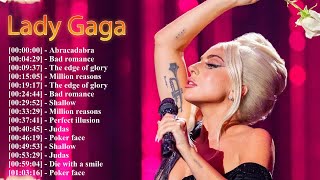
Lady Gaga (1986) es una cantante, compositora, productora, bailarina, actriz, activista y diseñadora de moda estadounidense. Nacida y criada en la ciudad de Nueva York, estudió en la escuela Convent of the Sacred Heart y asistió por un tiempo breve a la Tisch School of the Arts, perteneciente a la Universidad de Nueva York, hasta que abandonó sus estudios para enfocarse en su carrera musical. Fue así como irrumpió en la escena del rock en el Lower East Side de Manhattan y firmó un contrato con Streamline Records a finales de 2007. En la época en que trabajaba como compositora para dicha discográfica, su voz llamó la atención del artista Akon, quien la hizo firmar un contrato con Kon Live Distribution. Su fama se extendió a partir del lanzamiento en 2008 de su álbum The Fame; el álbum tuvo excelentes críticas y ventas. lo que le animó a realizar varias giras con conciertos plenos de éxito de público y recaudación. En 2011 lanzó su segundo álbum Born This Way que ocupó el primer lugar de ventas en numerosas listas; de este modo lanzó varios álbums más con parecido éxito que merecieron catorce premios Grammy siete Billboard Music Awards, tres premios Brit, dieciocho MTV Video Music Awards dos Globos de Oro, y un Óscar. Hacia febrero de 2017, había vendido 31 millones de álbumes y 150 millones de sencillos, de los cuales algunos figuran entre los más vendidos en el mundo. Además, ostenta el récord del concierto más concurrido de una artista femenina. Billboard la ubicó en la quinta posición de su lista de «los artistas pop más grandes del siglo XXI».
Lady Gaga se ha declarado públicamente aliada de la comunidad LGBTQ+, aunque no se identifica como lesbiana o gay, sí ha hablado abiertamente de su bisexualidad y ha defendido públicamente el matrimonio igualitario, además de pronunciarse claramente contra las leyes discriminatorias y dedicarse al activismo en favor de la comunidad LGBTQ+. Fundó la Born This Way Foundation, enfocada a la salud mental, el bienestar y la creación de espacios seguros para jóvenes, incluidos muchos LGBTQ+

Ricky Martin (Enrique Martin Morales, San Juan, 24 de diciembre de 1971) es un cantante, compositor, actor y escritor puertorriqueño. Es conocido por su versatilidad musical, con una discografía que abarca los géneros pop latino, pop, dance, reguetón y salsa. Apodado el «Rey del pop latino», el «Rey de la música latina» y el «Dios del pop latino», es considerado como uno de los artistas más influyentes del mundo. Comenzó a aparecer en comerciales de televisión a los nueve años y comenzó su carrera musical a los doce, como miembro de la boy band puertorriqueña Menudo. Comenzó su carrera como solista en 1991 mientras estaba en Sony Music México, ganando reconocimiento en Latinoamérica con el lanzamiento de sus dos primeros álbumes de estudio, Ricky Martin y Me amarás, ambos enfocados en baladas. Martin es uno de los artistas de música latina con mayores ventas de todos los tiempos, habiendo vendido más de 70 millones de discos en todo el mundo.
Está clasificado entre los mejores artistas latinos de todos los tiempos, mejores artistas de videos musicales de todos los tiempos y artistas latinos más influyentes de todos los tiempos por Billboard. Su filantropía y activismo se centran en los derechos LGBTQ+ y la lucha contra la trata de personas. En 2004, fundó The Ricky Martin Foundation, una organización no gubernamental sin fines de lucro que se enfoca en denunciar la trata de personas y educar sobre la existencia del delito. Es fanático del club de fútbol de Ecuador llamado Barcelona S. C. el cual fue invitado especial de la noche amarilla 2012. En 2019 se dirigió públicamente a sus fans: "Escribir estas líneas es el acercamiento a mi paz interna, parte vital de mi evolución. Hoy acepto mi homosexualidad como un regalo que me da la vida. Me siento bendecido de ser quien soy".
Sugerencias de videos peculiares
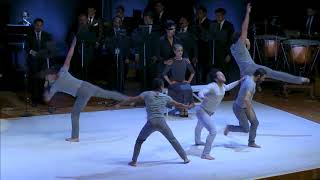
Igor Stravinsky (1882-1971) fue un pianista, director de orquesta y compositor ruso; para muchos críticos, el más importante del siglo XX. En su larga vida compuso una gran cantidad de obras abordando varios estilos como el primitivismo, el neoclasicismo y el serialismo. Eventualmente, el futuro musical de Stravinski fue encaminado por Serguéi Diáguilev, director de los Ballets Rusos en París, quien contrató a Stravinski para escribir un ballet para su compañía, que sería El pájaro de fuego; Stravinski dejó Rusia por primera vez en 1910, para asistir en París a su estreno por los Ballets Rusos. Durante su estancia en dicha ciudad, compuso dos obras más para los Ballets Rusos: Petrushka (1911) y La Consagración de la Primavera (1913). Según la revista Time fue una de las personalidades más influyentes del siglo XX.
Les Noces (en castellano, Las Bodas; en ruso, Свадебка, Svádebka) es una cantata bailada o ballet con solistas con música de Ígor Stravinski. Como ballet se estrenó el 13 de junio de 1923 en el Théâtre de la Gaîté en París, por los Ballets Rusos. Stravinski concibió por vez primera escribir esta cantata en 1913 y lo terminó en una partitura abreviada para octubre de 1917. Durante el largo período de gestación, cambió drásticamente la orquestación; al principio concebida para una orquesta sinfónica ampliada; debido a diversos incidentes, terminó estableciendo la siguiente dotación: soprano, mezzosoprano, tenor, y bajo solistas, coro mixto y dos grupos de Instrumentos de percusión, incluyendo cuatro pianos.
La versión que hoy ofrecemos está realizada por la UNAM (Universidad Nacional Autónoma de México) con Christian Gohmer, como director musical.
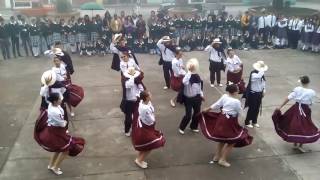
Palo Negro. Esta danza colombiana es una manifestación tradicional de raíz afrocolombiana, poco difundida a nivel nacional y con variantes locales, lo que explica que no siempre aparezca en los grandes repertorios folclóricos. Aun así, se reconoce por estos rasgos generales: Se asocia principalmente a comunidades afrodescendientes de la región Caribe, con referencias en zonas de Bolívar, Sucre y Córdoba, tiene vínculos con rituales comunitarios y festividades religiosas (en algunos lugares, celebraciones patronales), donde la danza cumple una función simbólica y de cohesión social, el nombre alude al uso originario de palos o bastones (a veces pintados de negro), que fueron centrales en la coreografía y donde l@s bailarines/as portaban palos que se golpeaban rítmicamente entre sí o contra el suelo; todo ello dentro de unos pasos firmes, enérgicos y repetitivos en formaciones circulares o en filas. Es una danza enseñada de generación en generación, que refuerza la identidad afrocolombiana y la memoria histórica de las comunidades que la practican. Su menor difusión hace que existan nombres, pasos y significados ligeramente distintos según el lugar.
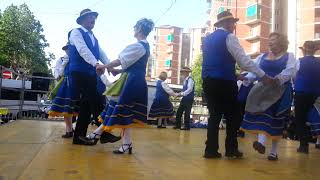
La Monferrina es una danza tradicional italiana originaria del Piamonte, especialmente de la región del Monferrato (de ahí su nombre). Es una de las danzas populares más representativas del norte de Italia. La danza se difundió entre los siglos XVIII y XIX, tras haber nacido en el ámbito campesino, aunque con el tiempo pasó también a salones populares y fiestas comunitarias. Su presencia suele asociarse a celebraciones, ferias y reuniones sociales. Se trata de una danza de ritmo vivo y alegre, generalmente en compás ternario (3/4 o 6/8) basada en una música repetitiva y animada, pensada para el baile. Se baila en pareja (hombre y mujer tradicionalmente), con un carácter juguetón y de cortejo, alternando pasos saltados y ligeros giros, con palmadas rítmicas y movimientos elegantes pero enérgicos. Se trata de una danza que expresa alegría, vitalidad y socialización y está emparentada con otras danzas italianas como el saltarello, por su carácter saltado.
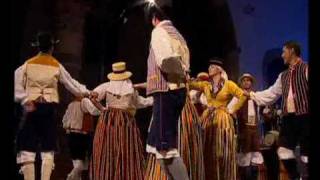
Los bailes regionales de la isla de Tenerife forman parte del folclore canario y reflejan la historia, el mestizaje cultural y la vida cotidiana del pueblo. Se trata de danzas de origen popular, que nacen en fiestas, romerías y celebraciones religiosas o agrícolas, combinando raíces guanches, castellanas, andaluzas y latinoamericanas; danzas que se bailan en pareja o en grupo: muchas veces en filas, corros o parejas enfrentadas; sus pasos son sencillos pero vivos destacando el ritmo, el zapateado suave y el movimiento de brazos con canciones que suelen ser cantadas, con coplas de temática amorosa, religiosa o costumbrista. La vestimenta es tradicional con trajes típicos de Tenerife, faldas largas, delantales, chalecos, fajines y sombreros.
La A.F. Princesa Iraya es una Agrupación Folclórica canaria dedicada a preservar, interpretar y difundir el folclore y las tradiciones de las Islas Canarias, especialmente de San Cristóbal de La Laguna (Tenerife). Es un grupo sociocultural y folclórico enfocado a la música, el baile, las canciones tradicionales, la indumentaria histórica y las costumbres canarias. Su objetivo principal es mantener vivas las tradiciones populares de Canarias a través de actuaciones, talleres, clases de baile y participación en eventos culturales, organizando y participando en festivales, romerías, bailes tradicionales y actividades educativas para toda la comunidad. Hoy asistimos a una de sus múltiples y cuidadas actuaciones populares.
Sugerencias de música para niñ@s






Para la realización de estos textos se han utilizado diferentes artículos de la Wikipedia e informaciones puntuales de la Inteligencia Artificial.
Los textos de Videomusicalis están realizados en euskera, castellano e inglés.